Clearing the Confusion Around This Ancient Belief
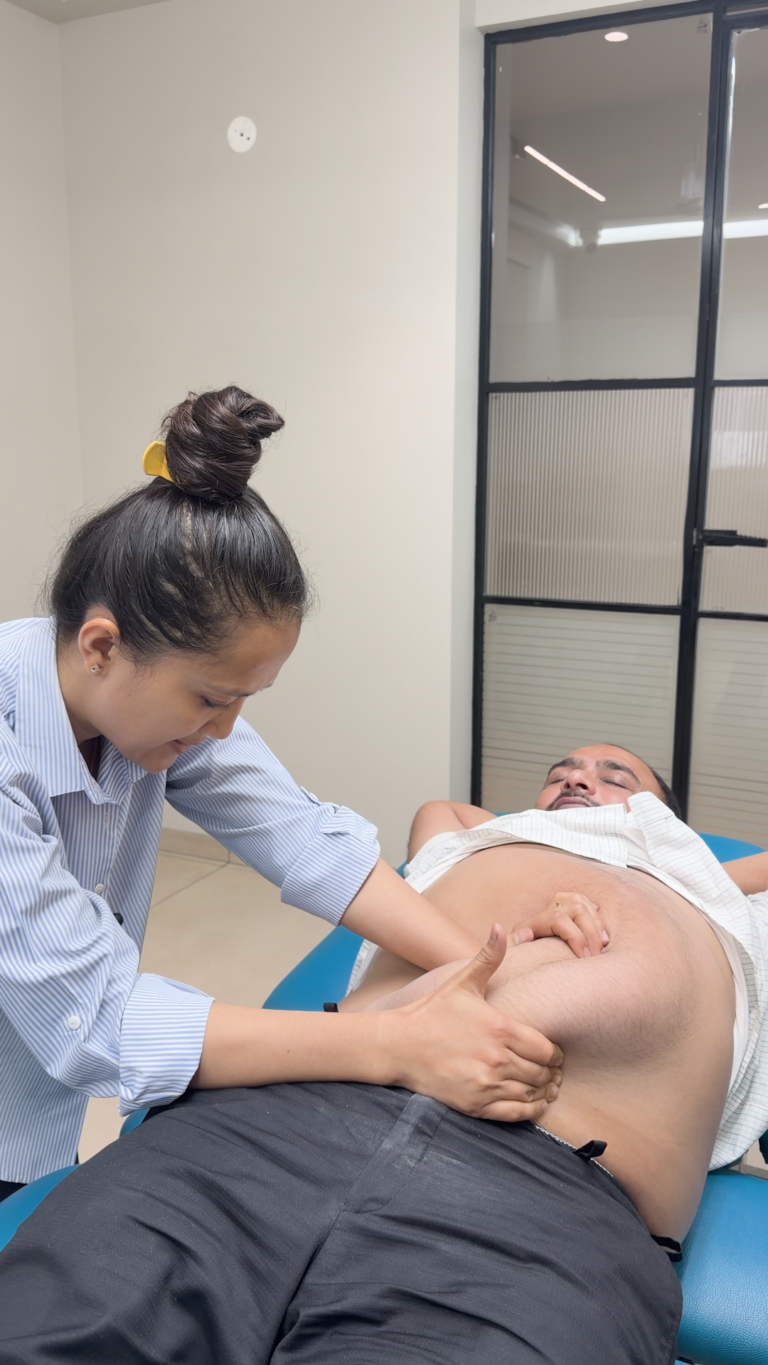
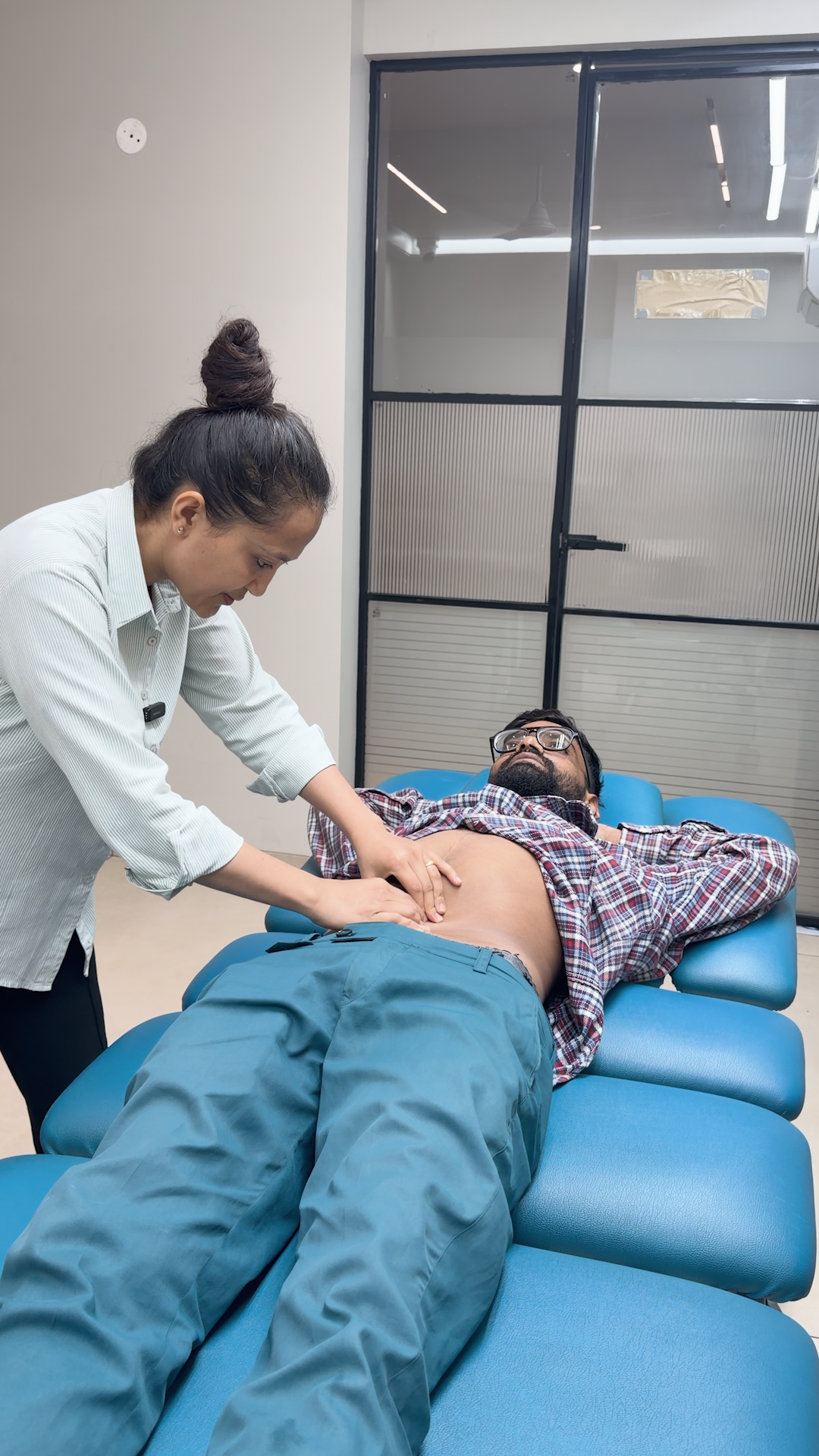
Navel displacement — also known as the nabhi-hilna, nabhi sarakna, also known as navel displacement is a cherished notion that most people believe in the present. The reason for this is believed to be that navels move slightly away from their original position, which can cause stomach pain, digestive problems the back pain, and fatigue. Although some individuals swear by their experience, many misconceptions have been created about this issue that could create unnecessary anxiety or confusion. We’ll look into the reality of these myths.
Myth 1: Navel Displacement Is a Proven Medical Condition
One of the most commonly cited misconceptions lies in the belief that navel displacements are an accepted medical condition. However, the current medical research doesn’t reveal the existence of any condition. The evidence isn’t anatomical to show that the navel could “move” in a way that can cause illness. In traditional practices such as Ayurveda as well as yoga, this idea is usually considered to be a result of an imbalance in the abdominal muscles, or digestive energy, but not as a real physical change in the navel.
Myth 2: Any Stomach Problem Means Your Navel Is Displaced
Another common misconception. People believe that if they suffer from constipation, bloating, acidity, or stomach upset, the navel needs to be moved. However, they can be due to things such as inadequate nutrition, dehydration, anxiety, or poor habits of eating habits. Thinking that they are always connected to the navel could cause people to miss the actual reasons that require attention.
Myth 3: You Can Fix It Yourself by Pushing or Pulling the Navel
A few home remedies recommend pressing or massaging the navel region to “realign” it. Although gentle abdominal massages will help relax muscles, pushing too much or using methods without scientific backing could cause injury. You might strain your abdominal muscles or even worsen discomfort. It is always better to consult a medical professional who is trained to use safe methods.
Myth 4: A Displaced Navel Causes Spinal or Postural Problems
Another theory is that navel sag could cause posture problems or misalignment of the spine. However, in reality, problems with posture can be attributed to weakness of the core muscles, long sit-ups, or insufficient physical exercise. There’s been no research to prove a link between the position of your navel and the health of your spine.
Myth 5: If You Don’t Treat It, It Will Keep Getting Worse
There are many people who believe that if they don’t address navel displacement right away and treat it immediately, the problem will get worse. This is not the case. The majority of mild abdominal pains heal without treatment, through stretching, rest and the right treatment. It’s important to remain at peace, be aware of the symptoms and then consult an expert in health in the event that pain continues or worsens.
Taking a Balanced Approach
It is important to adhere to traditions, yet also to understand the old ones from a new viewpoint. The majority of stomach problems are not a result or indication of navel dislocation. An energising diet, regular exercise, and managing stress generally do better than a solution that is quick and easy.
If you’re interested in understanding this idea better and finding the natural methods of handling this issue, visit Dr Ranjana Lunthi’s site, where she provides holistic advice and treatments to prevent navel displacement by using secure, conventional, effective, and traditional techniques.
FAQs
What is navel displacement exactly?
Does it have the recognition of modern medical professionals?
Do stress or weight lifting trigger it?
What can I do to prevent it?
What is the best time to seek medical assistance?