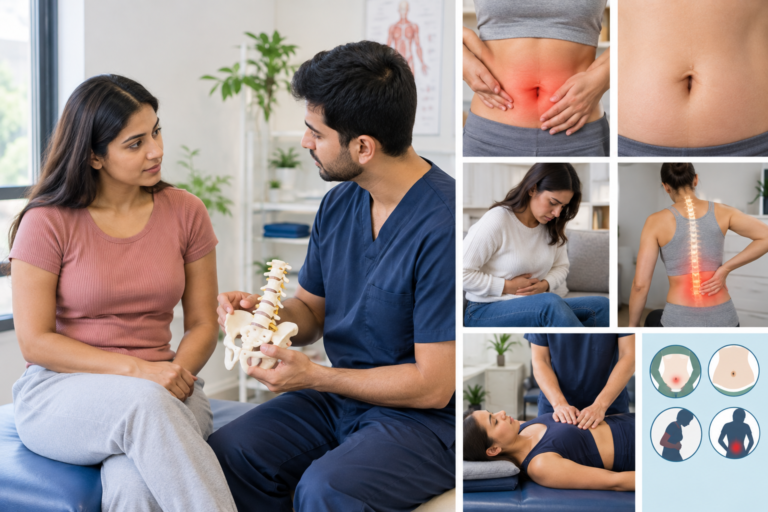
The belly button represents far more than an actual reminder of our birth. In various traditional health practices, this is considered to be the centre of the body’s nervous and energy system. When tissues and muscles in this region shift from their normal position, this can lead to an uncomfortable condition referred to as navel displacement in women. A small shift could perturb the alignment of the abdominal organs, frequently causing a series of digestive problems and intense, painful, localised discomfort. Because women have unique physiological structures–including a wider pelvic tilt and distinct reproductive organs–they tend to experience this condition and its side effects differently than men.
What is Navel Displacement in Women?
When it comes to holistic healing, such as Ayurveda, the navel (or Nabhi) is considered to be our primary point of gravity. The navel displacement in women is when the important abdominal point moves upwards, downwards or in a sideways direction. Contemporary Western medical practices often classify these signs under IBS, irritable intestinal syndrome (IBS), muscle strains, or even minor hernias. However, millions of women across the globe seek out specific relief for female navel displacement due to the distinctive severe discomfort that it causes in their everyday lives.
Primary Navel Displacement Causes
The abdominal muscles, which protect the abdominal wall, may be damaged or misaligned, often due to physical strains. Recognising the root navel displacement causes is the first step towards prevention and focused recovery.
- Sudden Heavy Lifting: lifting heavy grocery items and gym equipment, as well as furniture, and not activating your core is the primary reason.
- Rapid Jerking Motions: Slipping on ice, falling, tripping, or making another sudden turn during an intense workout could snap the abdominal muscles out of line.
- Birth and Pregnancy: The immense physical stress and the massive stretch on the abdominal wall during pregnancy make the navel region very vulnerable to shifting.
- Stress Emotional Grave: Chronic anxiety and stress can cause the central muscles to become tight, which can pull the navel away from its natural place of residence.
- Chronic Gastrointestinal Strain: Chronic coughing episodes, severe diarrhoea episodes and severe constipation could cause strain on the abdominal muscles.
Identifying the Symptoms of Navel Displacement
In the event that a female navel displacement is observed, it typically occurs as a result of persistent digestion and other systemic issues. The signs and symptoms can vary based on the way in which the navel is displaced:
- Sharp abdominal pain: The constant mild ache that lies directly between or directly on your belly button.
- Digestive Disruption: The downward movement often triggers sudden diarrhoea. On the other hand, the opposite can cause intense constipation, gas, and nausea.
- Loss of Appetite: The constant and uncomfortable sensation of being full that can make the idea of eating not appealing.
- Menstrual Disorders: Because of the close proximity of reproductive organs to the navel, an unreachable navel could alter the flow of blood into the pelvic area, which can lead to more severe cramping or irregular menstrual cycles.
Effective Navel Displacement Treatment Options
To restore your body’s core, you must take an approach that is gentle and deliberate instead of repressing anything in its place. Based on your own experience, the way you feel, a variety of navel displacement treatments can assist in resetting your centre:
1. Yoga and Core Rebalancing
Certain yoga poses (Asanas) are extremely efficient in bringing the navel back towards the centre. Positions such as Naukasana (Boat Pose), Pawanmuktasana (Wind-Relieving Pose), and Bhujangasana (Cobra Pose) are gentle exercises that strengthen and balance the centre.
2. Specialised Abdominal Massage
An age-old navel displacement treatment requires a trained practitioner who is performing a targeted belly massage. Utilising oil that is warm, they perform precise, rhythmic strokes which bring outward pressure back to your belly button.
3. Fasting and Dietary Adjustments
Foods that are heavy, oily and difficult to digest after your navel has been moved will only increase the stomach’s tumult. Ingestion of light, digestible meals like porridge and khichdi or taking warm fluids allows the abdominal organs to relax and rest.
Conclusion
Even though navel displacement in women may cause lots of discomfort in your routine, it is an issue which is incredibly responsive to regular treatment, mindfulness and rest. Beware of sudden, heavy lifting, as well as incorporating core-stabilising exercises, which are great ways to guard the centre of your body. If you think you’re experiencing Navel Displacement, incorporating soft yoga exercises, a relaxing massage, and taking enough time to heal will help restore your body’s natural alignment and balance.